Top Furniture Choices for Small Spaces and Compact Rooms
In today's urban living environment, maximizing space is crucial. Many individuals and families find themselves living in smaller homes or apartments where every square foot counts. Selecting the right furniture for small spaces is essential not only for functionality but also for creating an inviting atmosphere. This article provides expert insights into choosing furniture that enhances the utility and aesthetics of compact areas, ensuring you maximize your living experience.
Understanding the Importance of Space-Efficient Furniture
Space-efficient furniture is designed specifically to fit in smaller areas without sacrificing comfort or style. This type of furniture often features sleek designs, multifunctionality, and compact dimensions. Understanding the benefits of space-efficient furniture helps in making informed purchasing decisions.
For instance, consider a small studio apartment. A traditional sofa may take up a significant portion of the room, leaving little space for movement or additional furnishings. In contrast, a loveseat or a compact sectional can provide similar seating without overwhelming the space. Additionally, furniture made with lighter materials can be easier to rearrange, allowing for flexibility in design and function.
Types of Space-Saving Furniture
Space-saving furniture comes in various forms, each designed to cater to specific needs while optimizing space. Here are some popular types:
People Also Look For:
- VonHaus Bathroom Storage Cabinet – Stone Bathroom Cupboard with Fluted Textured Doors & Gold Handles - Freestanding Floor Cabine...
- ODK Chest of Drawers Bedroom, Contains 2 USB & 2 AC Ports Sockets, Storage Dresser with 8 Fabric Drawers Suitable for Bedrooms, Li...
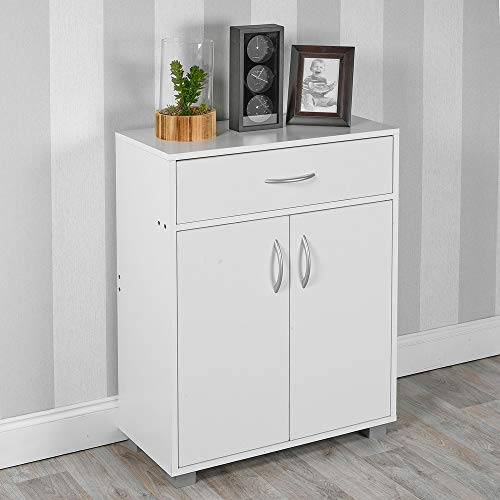
- URBNLIVING Wooden Free Standing Storage Cabinet (White)
- Vida Designs Dalby Shoe Cabinet, Wooden Shoe Storage Unit with 2 Doors & 1 Drawer, Multifunctional Dust-Proof Space-Saving Cupboar...
- VASAGLE Bathroom Cabinet, Bathroom Storage Unit, Freestanding Cabinet with 2 Drawers and 2 Doors, Adjustable Shelf, 30 x 60 x 110 ...
- Multi-Functional Pieces: Furniture that serves more than one purpose is ideal for small rooms. For example, a sofa bed can transform a living area into a guest room, providing flexibility.
- Foldable Furniture: Items like folding tables or chairs can be easily stored away when not in use. This feature is particularly useful in dining areas or home offices.
- Modular Furniture: Modular systems allow you to customize your furniture arrangement. You can rearrange or add pieces as needed, offering versatility.
- Vertical Storage Solutions: Bookshelves or cabinets that reach toward the ceiling maximize storage without occupying much floor space. This approach keeps items organized while maintaining an open feel.
Choosing the Right Colors and Materials
The colors and materials of your furniture can significantly impact how spacious a room feels. Lighter colors tend to create an illusion of openness, making small spaces appear larger. For instance, a white or light grey sofa can brighten a compact living room. Additionally, transparent materials such as glass or acrylic can enhance the sense of space.
Incorporating natural materials can also contribute to a warm and inviting atmosphere. Wood, wicker, and fabric choices can add texture, making the space feel more inviting without overwhelming it. When selecting furniture, consider how different colors and materials will work together to create a cohesive look.
Real World Applications of Space-Efficient Furniture
To illustrate the importance of choosing the right furniture, let's look at a few real-world scenarios. Imagine a small apartment with a combined living and dining area. In this scenario, a round dining table can be more effective than a rectangular one, as it allows for easier movement around the space. Pairing it with stackable chairs that can be stored away when not in use maximizes functionality.
Another example is a home office in a compact bedroom. A wall-mounted desk can provide a workspace without taking up valuable floor space, allowing for a more open feel. Additionally, using organizers that can be mounted on the wall keeps essentials within reach while maintaining a clean desktop.
Prioritizing Comfort and Functionality
While space efficiency is crucial, it should not come at the expense of comfort. Choosing furniture that balances both aspects is vital for creating a pleasant living environment. When selecting a bed for a small bedroom, consider a platform bed that offers built-in storage underneath. This design not only saves space but also provides a comfortable sleeping arrangement.
Moreover, when selecting seating, opt for chairs and sofas with ample cushioning that still fit within your space constraints. A well-designed chair can enhance the comfort level without crowding the room. It's about striking a balance between aesthetics, comfort, and functionality.
Tips for Arranging Furniture in Small Spaces
Arranging furniture in small spaces can be challenging, but with the right approach, it can be done effectively. Here are some tips to optimize your layout:
- Measure your space before purchasing new furniture. Knowing the dimensions helps prevent overcrowding.
- Consider the flow of movement. Ensure there is enough space to walk around furniture without feeling cramped.
- Group furniture to create distinct areas, such as a cozy reading nook or a dining space. This approach adds functionality.
- Use area rugs to define spaces within a larger room. This visual separation can make the area feel more organized.
Implementing these strategies can transform small areas into functional and inviting spaces. The thoughtful selection and arrangement of furniture play a pivotal role in achieving this goal. As you explore different options, keep in mind the needs of your lifestyle and the nuances of your personal style. Each piece should not only serve a purpose but also reflect your taste and enhance your living experience.