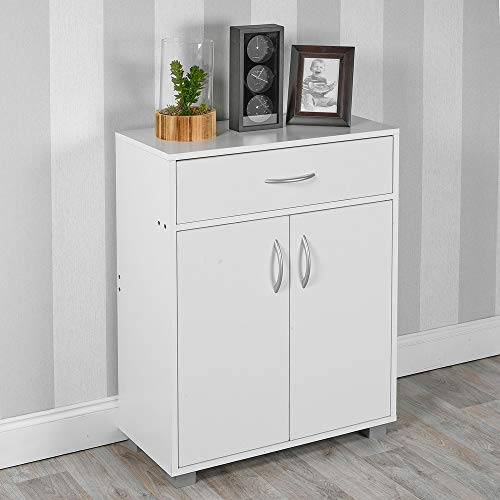
Choose Furniture That Complements Your Interior Style
Selecting the right furniture is crucial for creating a cohesive and aesthetically pleasing interior. Whether you are decorating a new space or updating your current decor, understanding your interior style is essential. This article will guide you through the process of choosing furniture that not only matches your style but also enhances the overall environment of your home.
Understanding Different Interior Styles
Before you dive into furniture shopping, it is important to familiarize yourself with various interior styles. Each style has unique characteristics that can influence your furniture choices. Here are a few popular styles:
- Modern: Characterized by clean lines, minimalism, and a neutral color palette.
- Traditional: Features classic design elements and rich colors, often with ornate details.
- Industrial: Emphasizes raw materials such as metal and wood, often with a rustic feel.
- Bohemian: Offers a free-spirited vibe with eclectic patterns, colors, and textures.
Understanding these styles will help you identify which resonates with you. For instance, if you prefer a modern look, focus on furniture with sleek lines and neutral tones.
Assessing Your Space
Before selecting furniture, it is crucial to assess your space. Measure the dimensions of each room to ensure the furniture you choose fits properly. Consider the layout as well. A small room may require multifunctional pieces, while a larger space can accommodate more substantial furniture.
When assessing your space, think about the following factors:
People Also Look For:
- VonHaus Bathroom Storage Cabinet – Stone Bathroom Cupboard with Fluted Textured Doors & Gold Handles - Freestanding Floor Cabine...
- ODK Chest of Drawers Bedroom, Contains 2 USB & 2 AC Ports Sockets, Storage Dresser with 8 Fabric Drawers Suitable for Bedrooms, Li...
- URBNLIVING Wooden Free Standing Storage Cabinet (White)
- Vida Designs Dalby Shoe Cabinet, Wooden Shoe Storage Unit with 2 Doors & 1 Drawer, Multifunctional Dust-Proof Space-Saving Cupboar...
- VASAGLE Bathroom Cabinet, Bathroom Storage Unit, Freestanding Cabinet with 2 Drawers and 2 Doors, Adjustable Shelf, 30 x 60 x 110 ...
- Room Size: Ensure that the furniture does not overwhelm the space.
- Natural Light: Consider how natural light affects the colors and materials of your furniture.
- Flow: Allow for easy movement between pieces to avoid a cramped feeling.
For example, in a small apartment, a sofa bed can provide seating during the day and transform into a bed at night, maximizing functionality.
Choosing the Right Materials
The materials of your furniture play a significant role in how well they match your interior style. Different materials evoke different feelings and can drastically change the look of your space. Here are some common materials and their associations:
- Wood: Warm and inviting, suitable for traditional and rustic styles.
- Metal: Sleek and modern, perfect for industrial or contemporary settings.
- Fabric: Soft and versatile, great for cozy and bohemian styles.
- Glass: Creates an airy feel and works well in modern and minimalist designs.
When choosing materials, consider durability as well. For high-traffic areas, opt for sturdy materials that can withstand wear and tear. For example, a leather sofa may be a smart choice for a family room due to its durability and ease of cleaning.
Color Coordination and Patterns
Color plays a fundamental role in how furniture integrates with your interior style. It is essential to choose colors that complement your existing decor. Start by identifying a color palette that reflects your style and mood. Here are some tips for effective color coordination:
- Choose a Base Color: This will be the primary color for larger furniture pieces.
- Accent Colors: Use accent colors to add pops of interest through cushions or artwork.
- Mixing Patterns: When incorporating patterns, limit them to one or two to avoid overwhelming the space.
For instance, if your space features soft blues and whites, a navy blue sofa can anchor the room, while patterned cushions can add depth and texture. Be mindful of the tones and shades to ensure they harmonize rather than clash.
Incorporating Personal Touches
Your furniture should reflect your personality and lifestyle. Incorporating personal touches can make your space feel more inviting and unique. Here are ways to add your personality:
- Artwork: Display pieces that resonate with you, whether they are paintings, photographs, or sculptures.
- Family Heirlooms: Incorporate furniture or decor items passed down through generations for a sense of history.
- Travel Finds: Use items collected from travels to tell your story through your decor.
For example, a vintage trunk from a trip abroad can serve as a coffee table while also being a conversation starter. Personal touches ensure that your space does not feel generic and reflects who you are.
Final Thoughts on Furniture Selection
Choosing the right furniture involves a careful balance of style, functionality, and personal expression. By understanding your interior style, assessing your space, selecting appropriate materials, coordinating colors, and adding personal touches, you can create a cohesive look that enhances your environment. The process may take time and thought, but the outcome will be a space that feels harmonious and inviting, tailored to your unique preferences.