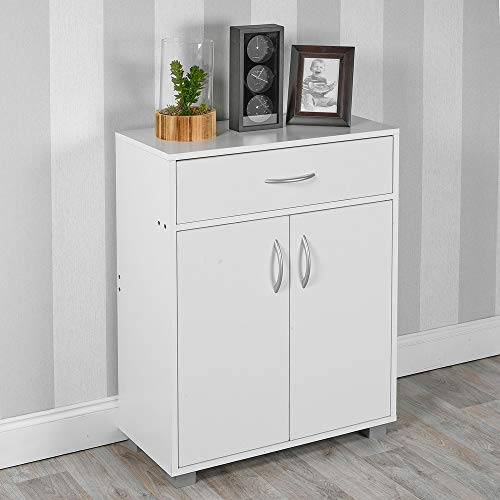
ultimate guide to caring for antique home furniture pieces
Antique furniture adds a touch of history and character to any home, making it essential to care for these valuable pieces properly. With the right maintenance, your antique furniture can be preserved for generations to come. This guide will provide you with practical advice on cleaning, maintaining, and protecting your cherished items.
Understanding Antique Furniture Materials
Before diving into the care techniques, it is essential to understand the materials used in antique furniture. Common materials include hardwoods like oak, mahogany, cherry, and walnut, as well as softer woods like pine. Additionally, many pieces may feature upholstery, metal fittings, or glass. Each material requires specific care methods to ensure longevity.
Regular Cleaning Practices
Regular cleaning is vital to maintain the appearance of antique furniture. Dust your pieces weekly using a soft, lint-free cloth or feather duster. For stubborn dirt, slightly dampen the cloth with distilled water or a gentle cleaning solution specifically designed for wood. Avoid using harsh chemicals or abrasive materials, as they can damage the finish.
People Also Look For:
- VonHaus Bathroom Storage Cabinet – Stone Bathroom Cupboard with Fluted Textured Doors & Gold Handles - Freestanding Floor Cabine...
- ODK Chest of Drawers Bedroom, Contains 2 USB & 2 AC Ports Sockets, Storage Dresser with 8 Fabric Drawers Suitable for Bedrooms, Li...
- URBNLIVING Wooden Free Standing Storage Cabinet (White)
- Vida Designs Dalby Shoe Cabinet, Wooden Shoe Storage Unit with 2 Doors & 1 Drawer, Multifunctional Dust-Proof Space-Saving Cupboar...
- VASAGLE Bathroom Cabinet, Bathroom Storage Unit, Freestanding Cabinet with 2 Drawers and 2 Doors, Adjustable Shelf, 30 x 60 x 110 ...
Polishing and Waxing
Polishing antique furniture helps protect the wood and enhances its natural beauty. Use a high-quality beeswax or carnauba wax once or twice a year. Apply a thin layer with a soft cloth, following the grain of the wood. Let the wax dry for about 20 minutes before buffing it gently with another clean cloth. This process not only adds shine but also creates a protective barrier against moisture and dirt.
Dealing with Scratches and Damage
Scratches are common on antique furniture. For minor scratches, try using a walnut or a commercial scratch repair pen that matches the wood finish. Gently rub it into the scratch and wipe away any excess. For deeper scratches, consider using wood filler that matches the colour of your furniture, followed by touch-up paint. Always test a small, inconspicuous area first.
Climate Control and Placement
Antique furniture is sensitive to environmental changes. To prevent warping and cracking, keep your pieces in a climate-controlled environment. Ideally, maintain a temperature of around 18-22 degrees Celsius and a humidity level between 40-60 percent. Avoid placing furniture near radiators, air conditioning vents, or windows where direct sunlight can cause fading.
Upholstery Care
If your antique furniture features upholstery, it is crucial to care for it properly. Regularly vacuum upholstered pieces using a soft brush attachment to remove dust and debris. For stains, consult a professional upholstery cleaner or follow the manufacturer's cleaning recommendations. Additionally, consider using fabric protectors to repel stains and spills.
Restoration and Repair
While minor repairs can be handled at home, more extensive restoration work should be left to professionals. Look for specialists experienced in antique furniture restoration, as improper techniques can diminish the value of your pieces. If you need repairs, gather information about the furniture's history and any previous repairs to share with the restorer.
Insurance and Documentation
Finally, consider insuring your antique furniture. Obtain a professional appraisal to determine its value and maintain records of any restoration work. This documentation is invaluable for insurance purposes and can help establish provenance if you ever choose to sell the piece.