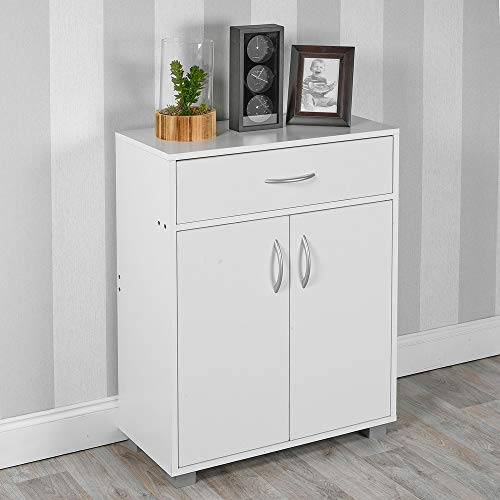
Discover Why Sideboards Are Essential Furniture Pieces
Sideboards have emerged as a staple in modern home design, seamlessly blending functionality with aesthetic appeal. These versatile furniture pieces serve various purposes, making them an indispensable addition to any living space. Whether used for storage, display, or as a decorative feature, sideboards enhance the overall functionality of a home while providing a touch of elegance. This article delves into the multifaceted benefits of sideboards, their historical significance, and how to choose the right one for your space.
The Versatility of Sideboards
One of the primary reasons sideboards are so valuable is their versatility. They can serve multiple roles in different rooms. For instance, in a dining room, a sideboard can act as a serving area during gatherings, storing dishes, glassware, and table linens. In a living room, it can provide storage for media equipment, books, or decorative items, effectively reducing clutter while enhancing the decor.
Moreover, sideboards come in a variety of styles, materials, and sizes, making them adaptable to any interior design scheme. From rustic wooden designs to sleek modern finishes, there is a sideboard to complement every taste. For example, a farmhouse-style sideboard can add warmth and character to a country home, while a minimalist sideboard can elevate a contemporary space.
Storage Solutions
Sideboards offer practical storage solutions that can help keep your home organized. Unlike traditional cabinets, sideboards are often designed with open shelves and drawers, providing easy access to items while allowing for decorative display options. This feature is particularly beneficial in smaller homes where maximizing space is crucial.
Consider a scenario where family gatherings often result in clutter. A sideboard can be strategically placed in the dining area to store additional serving dishes, utensils, and even board games, making them readily available without taking up valuable table space. This not only keeps the area tidy but also enhances the overall dining experience.
People Also Look For:
- VonHaus Bathroom Storage Cabinet – Stone Bathroom Cupboard with Fluted Textured Doors & Gold Handles - Freestanding Floor Cabine...
- ODK Chest of Drawers Bedroom, Contains 2 USB & 2 AC Ports Sockets, Storage Dresser with 8 Fabric Drawers Suitable for Bedrooms, Li...
- URBNLIVING Wooden Free Standing Storage Cabinet (White)
- Vida Designs Dalby Shoe Cabinet, Wooden Shoe Storage Unit with 2 Doors & 1 Drawer, Multifunctional Dust-Proof Space-Saving Cupboar...
- VASAGLE Bathroom Cabinet, Bathroom Storage Unit, Freestanding Cabinet with 2 Drawers and 2 Doors, Adjustable Shelf, 30 x 60 x 110 ...
Design and Aesthetic Appeal
Beyond their practical uses, sideboards contribute significantly to the aesthetic appeal of a room. They can serve as a focal point, drawing attention and enhancing the overall theme of the decor. Incorporating a sideboard into your design scheme allows for creative expression, as they can be styled with decorative items, artwork, or plants.
For instance, a vibrant piece of art can be placed above a sideboard to create a striking visual display. Additionally, using the surface of the sideboard for decorative trays, candles, or vases can add layers to the visual interest of the room. This method effectively combines functionality and beauty, showcasing the potential of sideboards as more than just storage units.
Ease of Access
Another notable advantage of sideboards is their ease of access. Unlike closets or cabinets that require bending or reaching, sideboards are typically positioned at waist height, making it simple to retrieve items stored within. This accessibility is particularly beneficial for families with children, as it allows kids to easily reach their toys or games stored in designated areas.
In a busy household, having a dedicated space for frequently used items can streamline daily routines. For example, a sideboard in the entryway can serve as a drop zone for keys, bags, and mail, ensuring that essentials are always within easy reach as you come and go.
Choosing the Right Sideboard
Selecting the ideal sideboard for your home involves considering several factors, including size, style, and functionality. Start by measuring the space where the sideboard will reside. Ensure that it fits comfortably without overwhelming the room. The style should also align with your existing decor. A mismatched design can disrupt the flow of a room.
When it comes to functionality, think about how you plan to use the sideboard. If you envision it as a storage space for dishware, look for one with ample drawers and shelving. On the other hand, if the goal is to display decorative items, a visually appealing design with open shelving may be more suitable.
- Consider material options such as wood, metal, or glass.
- Evaluate storage needs based on your lifestyle.
- Choose colors that complement your existing color palette.
Additionally, consider the placement of the sideboard within the room. Positioning it against a wall can create a streamlined look while allowing for additional decorative elements such as mirrors or artwork above it. Experimenting with different placements can lead to discovering the most visually appealing setup.
Conclusion on Sideboard Benefits
In a world where home organization and style are paramount, sideboards stand out as a practical and attractive furniture choice. Their ability to adapt to various functions makes them ideal for any room, whether providing storage solutions or enhancing decor. Investing in a quality sideboard not only elevates the functionality of a living space but also adds character and style. As you consider incorporating a sideboard into your home, remember the myriad benefits they offer, from ease of access to aesthetic contributions. This versatile furniture piece continues to prove its worth in modern design, making it an essential element for any home.